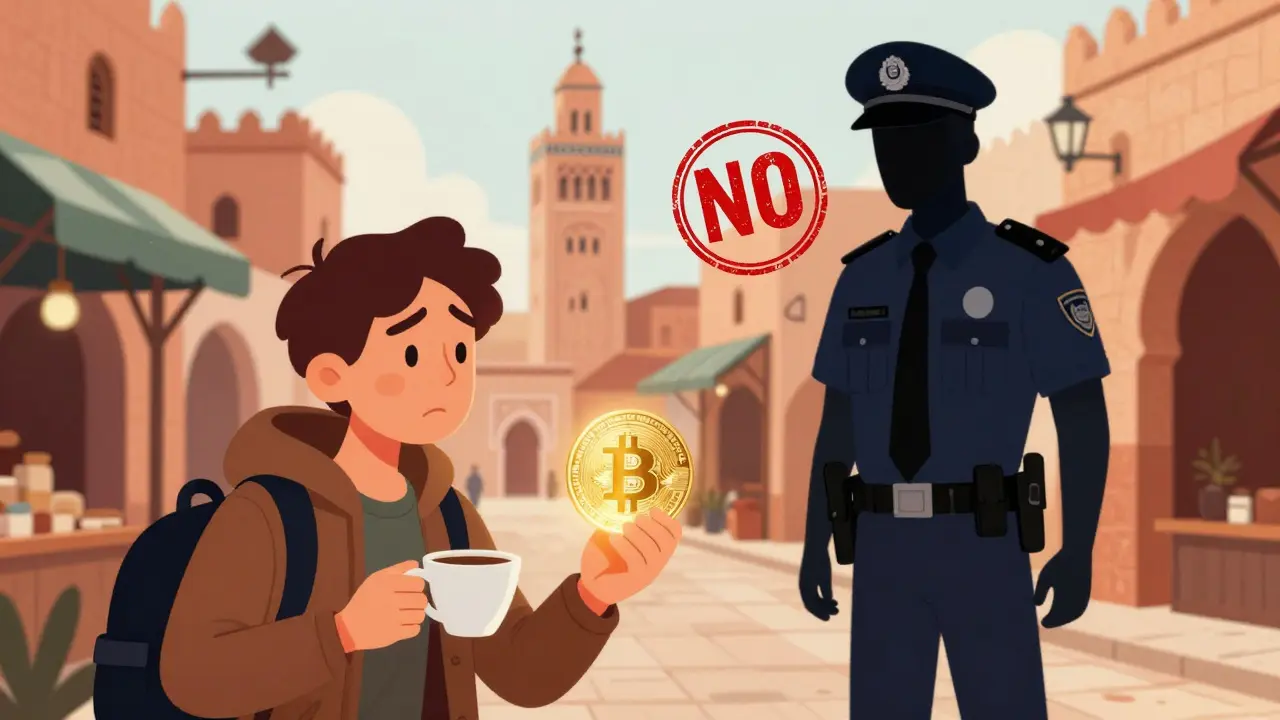
Imagine trying to buy a coffee with Bitcoin in Tunis. You can’t. In fact, you might end up in jail for it. Tunisia has one of the strictest cryptocurrency bans in the world, prohibiting almost every aspect of digital asset usage, trading, and mining. For anyone living in or doing business with Tunisia, understanding this legal landscape isn't just about compliance-it’s about avoiding serious criminal penalties.
This guide breaks down exactly what is banned, why the government took such a hardline stance, and whether there is any light at the end of the tunnel for crypto enthusiasts in North Africa.
The Legal Framework Behind the Ban
To understand the current situation, we have to look back to May 2018. That’s when the Central Bank of Tunisia (BCT), the country's primary monetary authority, issued a directive that effectively outlawed virtual currencies. This wasn't a vague warning; it was a comprehensive prohibition.
The ban covers:
- Trading: Buying or selling cryptocurrencies on exchanges is illegal.
- Mining: Operating mining hardware is prohibited, and customs authorities are empowered to seize ASIC miners upon import.
- Payments: Merchants cannot accept crypto for goods or services.
- Banking: Financial institutions are barred from facilitating any crypto-related transactions. Banks actively block card purchases made at foreign exchanges.
Under currency-control regulations, these activities are criminalized. The penalties are severe: fines and imprisonment of up to five years. Whether you are operating an exchange, marketing tokens, or simply holding cryptocurrencies, you are technically violating the law. Exchanging mined coins into the Tunisian dinar is specifically cited as a violation of the 2018 directive.
| Institution | Role in Crypto Regulation |
|---|---|
| Central Bank of Tunisia (BCT) | Issues directives banning virtual currencies; oversees monetary stability. |
| Ministry of ICT & Digital Economy | Oversees digital infrastructure and technology policy. |
| Financial Market Council (CMF) | Would regulate tokenized securities if the ban were lifted. |
| Tunisian Financial Analysis Committee (CTAF) | Receives reports of suspicious financial transactions for anti-money laundering purposes. |
Why Did Tunisia Ban Cryptocurrency?
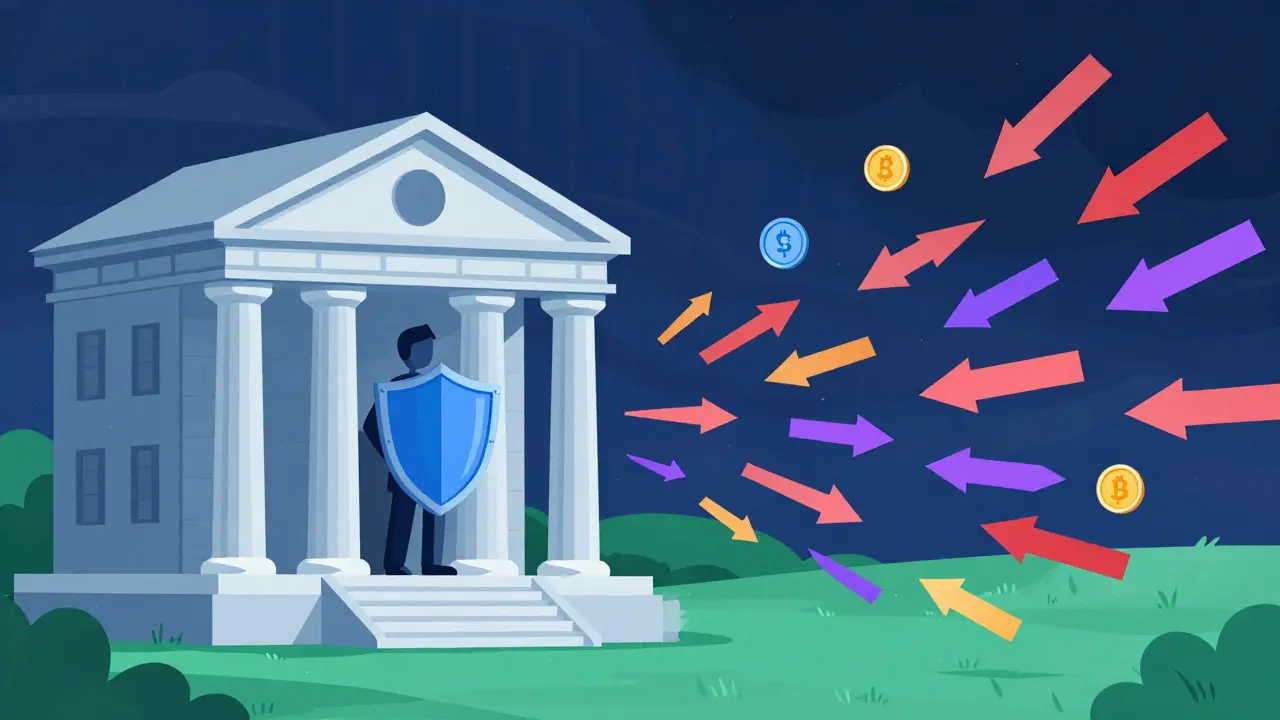
You might wonder why Tunisia went so far while neighboring countries adopted more nuanced approaches. The answer lies in economic stability. The BCT cited two main fears: capital flight and money laundering.
Tunisia has faced balance of payments challenges for years. When citizens convert their local currency into Bitcoin or Ethereum, they often move those assets abroad or hold them outside the traditional banking system. This drains foreign exchange reserves and makes it harder for the central bank to manage the value of the dinar. From a traditional central banking perspective, cryptocurrencies threaten monetary policy control.
Additionally, the anonymous nature of early blockchain transactions raised red flags regarding illicit finance. The government wanted to ensure that all financial flows remained visible and taxable within the formal economy. This protective stance aligns Tunisia with other nations like Algeria, Morocco, Egypt, and China, which also maintain total bans.
Enforcement and Real-World Consequences
Laws on paper are one thing; enforcement is another. In practice, Tunisia’s crypto ban creates a complex underground ecosystem. Before the 2018 ban, from 2013 to 2017, Bitcoin trading occurred largely through peer-to-peer chat rooms. Today, small-scale P2P trading continues despite the risks, but mainstream adoption is severely limited.
The consequences of getting caught can be harsh. A notable case occurred in 2021 when a teenager was jailed for exchanging a small amount of cryptocurrency. This incident sparked public debate and even reached cabinet-level discussions about potential decriminalization. It highlighted the disconnect between rigid laws and the reality of young people wanting to participate in the global digital economy.
For businesses, compliance is non-negotiable. Companies must implement rigorous Anti-Money Laundering (AML) checks. This includes:
- Customer Due Diligence (CDD): Verifying identities through official documents like National Identity Cards or passports.
- Enhanced Due Diligence (EDD): Extra scrutiny for high-risk clients, such as Politically Exposed Persons (PEPs).
- Record Keeping: Retaining all transaction records for at least 10 years.
- Reporting: Submitting suspicious transactions to the CTAF within 10 days.
Customs authorities are particularly aggressive with mining equipment. If you try to import ASIC rigs, they will likely be seized at the border. This physical barrier makes large-scale mining operations impossible within the country.
The Blockchain Exception: Fintech Sandbox
Here is where things get interesting. While the government hates cryptocurrency, it loves the underlying technology-blockchain. In 2020, the BCT launched a regulatory sandbox program. This allows select fintech companies to test blockchain applications under tight supervision.
The key distinction is that these projects use permissioned ledgers, not public cryptocurrencies. They focus on utility, not speculation. Participants include startups like VFunder (creative crowdfunding), Hydro E-Blocks (carbon tracking), and No Phobos (AI-generated NFTs). However, these companies typically keep their core infrastructure outside Tunisia to comply with broader restrictions.
The government sees blockchain’s potential for:
- Land Registry Digitization: Creating immutable records of property ownership.
- Subsidy Distribution: Ensuring targeted social aid reaches the right people without fraud.
- Supply Chain Transparency: Tracking goods from origin to consumer.
This "Digital Tunisia 2025" project shows a clear split in policy: reject the currency, embrace the ledger. Individual cohorts in the sandbox last six to twelve months with strict user and volume limits. It’s a controlled experiment, not a free market.

How Tunisia Compares to Its Neighbors
If you travel south to Egypt or west to Morocco, you’ll find similar bans. But look further afield, and the contrast is stark. El Salvador adopted Bitcoin as legal tender. Germany, Switzerland, and Singapore have built comprehensive frameworks that legitimize crypto trading and protect investors.
Even some Middle Eastern nations have taken a middle ground. Kuwait, Vietnam, and Georgia allow private trading while restricting banking sector involvement. Tunisia has not adopted this hybrid model. It remains in the minority of countries with complete prohibitions. As global adoption accelerates-with giants like Microsoft, PayPal, and Tesla embracing crypto-Tunisia’s isolation grows.
Future Outlook: Is Change Coming?
As of 2025, whispers of change are growing louder. Parliamentary committees are considering a draft bill to decriminalize cryptocurrency possession and create a licensing regime. This would be the most significant shift since 2018. Why now? Because absolute prohibition is becoming unsustainable. The pressure from international bodies like the Financial Action Task Force (FATF) to develop balanced regulatory frameworks is mounting.
However, don’t expect overnight legalization. Policymakers are balancing innovation against the need to maintain currency stability. Economic challenges, including inflation and limited foreign reserves, continue to make leaders cautious. Any new law will likely prioritize regulation over freedom, ensuring that the state retains oversight of all digital financial flows.
For now, the ban stands. But the conversation has shifted from "why do we hate crypto?" to "how do we control it?" Watch for updates on the licensing regime, as that could be the first crack in the wall.
Is it illegal to own Bitcoin in Tunisia?
Yes. Under the 2018 Central Bank of Tunisia directive, holding cryptocurrencies is technically illegal. While enforcement varies, possession can lead to fines and imprisonment of up to five years under currency-control regulations.
Can I mine cryptocurrency in Tunisia?
No. Mining is strictly prohibited. Customs authorities are authorized to seize ASIC mining rigs upon import. Additionally, converting mined coins into Tunisian dinar is a direct violation of the ban.
Are there any exceptions to the crypto ban?
There are limited exceptions through the BCT's regulatory sandbox program launched in 2020. Selected fintech startups can test blockchain-based solutions for payments, remittances, and traceability under strict supervision. These projects do not involve public cryptocurrency trading.
What happens if I use a credit card to buy crypto on a foreign exchange?
Your transaction will likely be blocked. Tunisian banks are barred from facilitating cryptocurrency transactions and actively monitor and block card purchases made at foreign exchanges. Attempting to bypass this may trigger anti-money laundering investigations.
Will Tunisia legalize cryptocurrency in the future?
It is possible. As of 2025, parliamentary committees are discussing a draft bill to decriminalize possession and introduce a licensing regime. However, full legalization is unlikely soon due to concerns about capital flight and monetary stability.
How does Tunisia's ban compare to other African countries?
Tunisia shares its strict ban with neighbors like Algeria, Morocco, and Egypt. However, many other African nations have adopted more permissive or regulated approaches, allowing private trading or establishing regulatory frameworks for crypto businesses.

Rebecca Andrews
I'm a blockchain analyst and cryptocurrency content strategist. I publish practical guides on coin fundamentals, exchange mechanics, and curated airdrop opportunities. I also advise startups on tokenomics and risk controls. My goal is to translate complex protocols into clear, actionable insights.
More Articles
What is KYC in Cryptocurrency? A Complete Guide to Verification, Privacy, and Compliance
Discover what KYC means in cryptocurrency, why exchanges require it, and how to navigate verification. Learn the differences between KYC and no-KYC platforms, privacy concerns, and tips for successful identity verification in 2026.