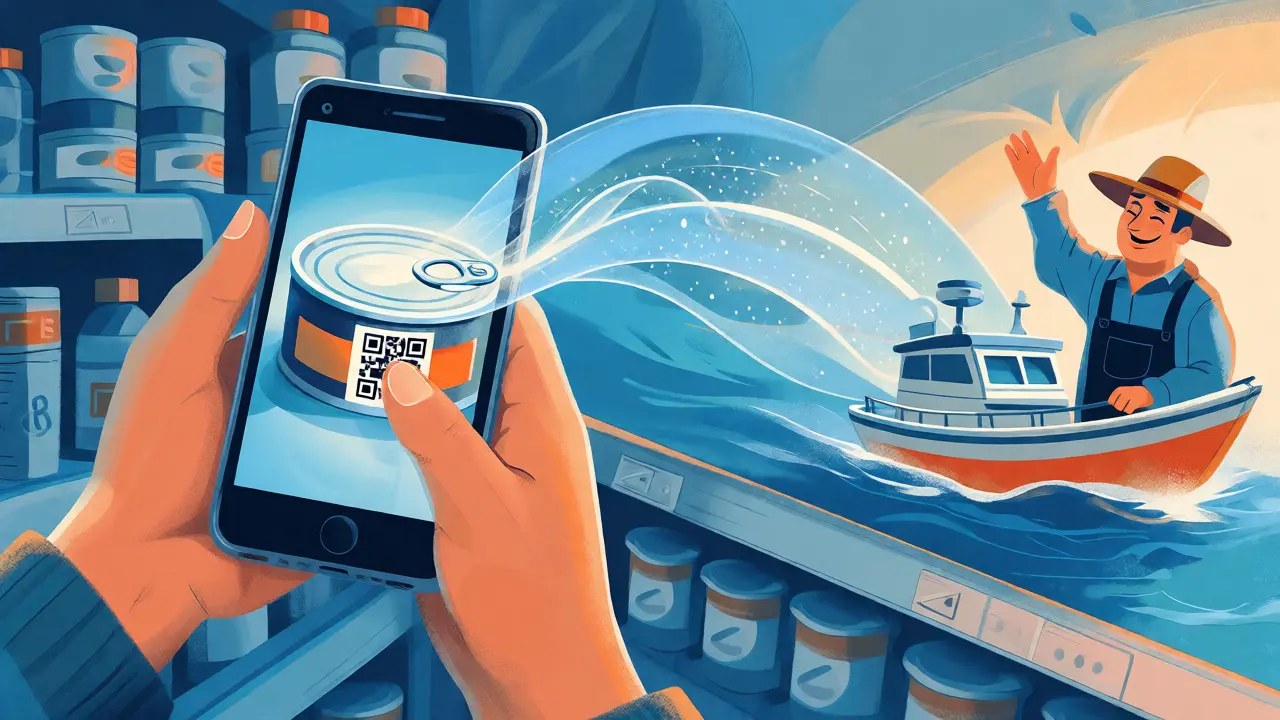
You’ve probably heard the hype. Blockchain isn’t just for buying coffee with Bitcoin or trading meme coins anymore. It’s quietly reshaping how goods move around the world. Imagine knowing exactly where your tuna came from, who caught it, and if it stayed cold enough during transport-all by scanning a QR code on the can. That’s not sci-fi; it’s happening now. Supply chain blockchain is a distributed ledger technology that creates an unchangeable record of every transaction and event in a product’s journey. It solves the messy problem of information silos, where suppliers, manufacturers, and retailers all keep their own separate spreadsheets that never quite match up.
Why does this matter to you? Maybe you’re worried about fake luxury goods, expired medicine, or ethically sourced diamonds. Traditional supply chains are often opaque black boxes. When something goes wrong-like a contaminated lettuce batch-it takes weeks or even months to find the source. With blockchain, that time shrinks to seconds. This article breaks down the real use cases, not the buzzwords, so you can see where this tech actually delivers value today.
The Core Problem: Trust and Visibility Gaps
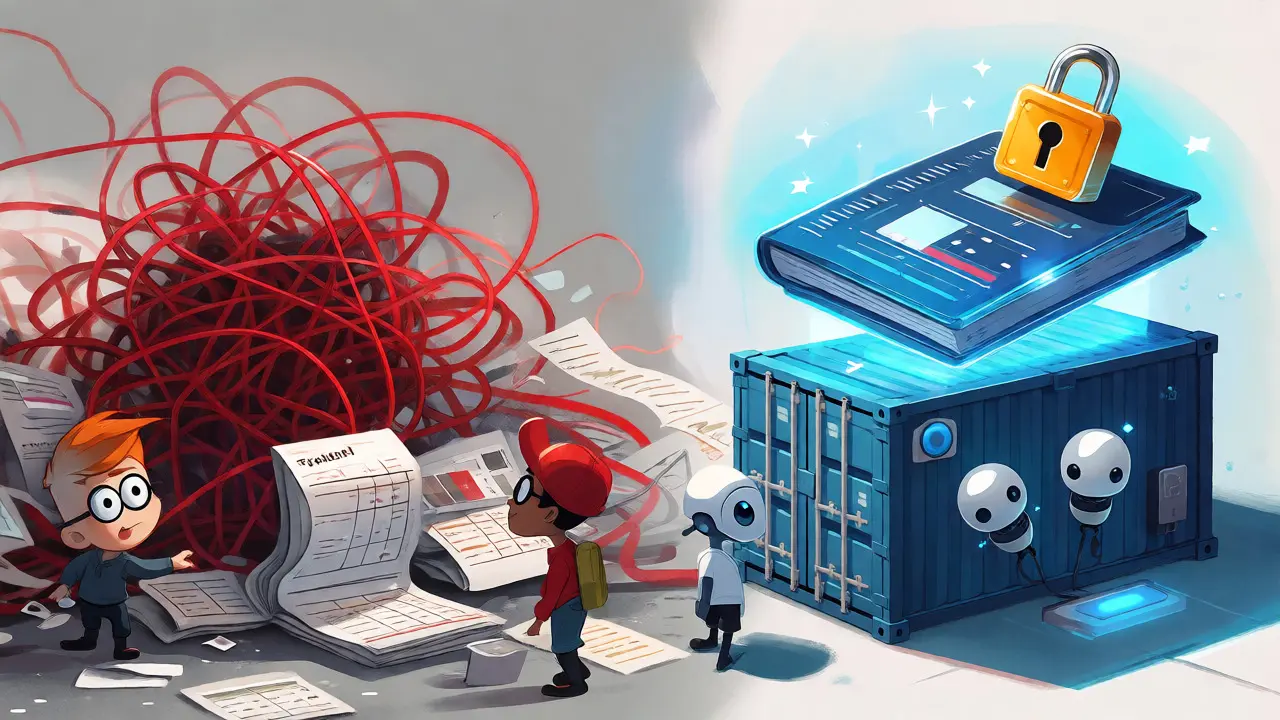
Before we look at solutions, let’s look at the pain points. Global supply chains involve dozens of parties: miners, farmers, processors, shippers, customs agents, distributors, and retailers. Each step adds paperwork. If one party loses data or enters it incorrectly, the whole chain suffers. Fraud thrives in these gaps. Counterfeit parts end up in cars, conflict diamonds sneak into jewelry stores, and temperature-sensitive vaccines spoil because no one knew the freezer failed three days ago.
Traditional Supply Chain Management relies on centralized databases owned by single entities. These are vulnerable to hacks and manipulation. In contrast, blockchain provides a shared, immutable source of truth. Once data is written to the block, it cannot be altered without consensus from the network. This doesn’t mean everyone sees everything (privacy controls exist), but it means no one can secretly change history.
Food Safety and Traceability
This is arguably the most mature application. Food recalls are expensive and dangerous. Walmart partnered with IBM to test this. Before blockchain, tracing the origin of mangoes took nearly seven days. After implementing a blockchain solution, they did it in 2.2 seconds. That speed allows companies to pull only affected products rather than clearing entire shelves, saving millions and reducing waste.
Consider John West, a fish supplier. They put traceability codes on tuna cans. Scan the code, and you see the boat name, the catch date, and the specific fisherman. This builds consumer trust. It also helps retailers verify claims like "sustainably sourced" or "organic." Without an immutable record, these labels are just marketing promises. With blockchain, they become verifiable facts.
Cold Chain Monitoring for Pharma and Perishables
Temperature control is critical for pharmaceuticals and fresh food. A slight deviation can ruin a batch of insulin or spoil strawberries. IoT sensors attached to shipping containers record temperature, humidity, and vibration directly onto the blockchain. This data is timestamped and cannot be backdated.
During the COVID-19 vaccine rollout, this was vital. Moderna used blockchain systems to ensure vaccines stayed within strict -70°C requirements. If a sensor detected a spike, smart contracts could automatically flag the shipment as compromised. This prevents unsafe products from reaching patients. It also reduces disputes between shippers and receivers because the data is objective and shared.
Luxury Goods and Provenance Verification
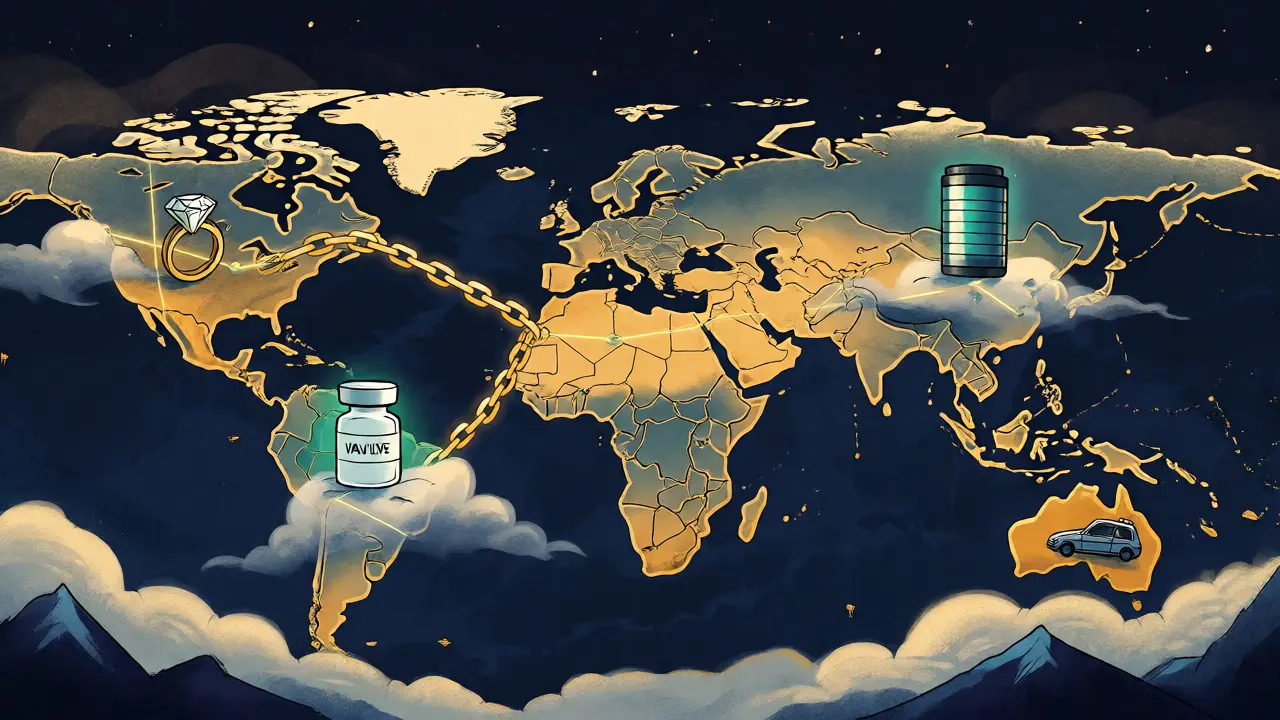
Counterfeiting costs the luxury industry billions. How do you know that Rolex or Louis Vuitton bag is real? De Beers Group tackled this for diamonds. They tracked 100 high-value diamonds from mine to retail using blockchain. This solved two issues: proving the diamond wasn’t a "blood diamond" from a conflict zone, and verifying its cut and carat weight weren’t tampered with after leaving the mine.
Ford Motor Company applied similar logic to cobalt sourcing for electric vehicle batteries. Cobalt mining has ethical concerns regarding labor practices. By tracing cobalt on a blockchain, Ford ensures ethical sourcing standards are met throughout the supply chain. For consumers, this means the EV you buy aligns with your values, backed by data, not just a company statement.
Logistics and Trade Finance
International trade involves mountains of paperwork: bills of lading, letters of credit, customs forms. Maersk and IBM developed TradeLens to digitize this. While the platform faced commercial challenges, the concept remains powerful. Blockchain speeds up document verification. Banks can release payments faster when they see proof of delivery recorded on the ledger. This improves cash flow for small exporters who often wait weeks for payment.
FedEx joined the Blockchain in Transport Alliance (BiTA) to streamline dispute resolution. If a package is lost or damaged, both parties have access to the same timeline of events. This reduces legal friction and administrative overhead. Smart contracts can automate penalties for late deliveries, removing human bias and negotiation delays.
| Metric | Traditional System | Blockchain System |
|---|---|---|
| Traceability Time | Days to Months | Seconds to Minutes |
| Data Integrity | Vulnerable to edits/hacks | Immutable/Cryptographically secured |
| Intermediaries | High reliance on brokers/banks | Reduced via peer-to-peer validation |
| Cost Efficiency | High admin/paperwork costs | Up to 40% reduction in processing costs |
| Transparency | Siloed visibility | Shared real-time visibility |
Key Players and Technologies
Several major platforms power these implementations. Hyperledger Fabric is popular for enterprise use because it offers permissioned networks, meaning only approved partners can join. This suits supply chains where privacy matters. Ethereum is often used for public-facing applications where anyone needs to verify provenance, such as consumer-facing QR codes. Oracle Blockchain Platform provides integrated tools for businesses looking to connect existing ERP systems with blockchain ledgers, helping startups like Tracifier achieve significant cost reductions.
It’s worth noting that blockchain doesn’t work in isolation. It relies heavily on IoT (Internet of Things) devices to feed accurate data into the ledger. Garbage in, garbage out still applies. If a sensor is broken or manually bypassed, the blockchain records false data. Therefore, hardware reliability and integration are just as important as the software layer.
Challenges and Limitations
Don’t expect magic. Implementation is hard. Getting multiple competitors to share data requires trust and governance frameworks. Who pays for the infrastructure? Who decides the data standards? Interoperability is another hurdle. If Supplier A uses Hyperledger and Supplier B uses Ethereum, getting them to talk seamlessly is complex. Additionally, energy consumption varies by consensus mechanism, though modern enterprise blockchains are far more efficient than early Bitcoin models.
Finally, there’s the "oracle problem." The blockchain guarantees the data hasn’t changed since entry, but it doesn’t guarantee the data was true when entered. Physical verification processes must remain robust. Technology augments trust; it doesn’t replace human oversight entirely.
Does blockchain replace traditional supply chain software?
No, it complements it. Most companies integrate blockchain with existing Enterprise Resource Planning (ERP) systems like SAP or Oracle. Blockchain handles the cross-company verification and immutability, while ERPs handle internal inventory and accounting.
Is supply chain blockchain expensive to implement?
Initial setup costs can be high due to integration needs and sensor deployment. However, long-term savings come from reduced paperwork, fewer disputes, and faster recall management. Studies show up to 40% reduction in food processing costs for some adopters.
Can consumers really see the blockchain data?
Yes, through simplified interfaces. You don’t need to understand cryptography. Companies provide apps or websites where you scan a QR code. The backend queries the blockchain and presents a user-friendly summary of the product’s journey, origin, and certifications.
What happens if physical goods are swapped during transit?
This is a known limitation. Blockchain tracks digital identity, not physical atoms. Solutions include tamper-evident packaging, RFID tags linked to the digital token, and periodic physical audits. Smart contracts can trigger alerts if location data doesn’t match expected routes.
Which industries benefit most right now?
Pharmaceuticals, food and beverage, luxury goods, and automotive are leading adopters. These sectors face strict regulations, high counterfeit risks, or complex multi-party logistics, making the ROI of traceability clear.

Rebecca Andrews
I'm a blockchain analyst and cryptocurrency content strategist. I publish practical guides on coin fundamentals, exchange mechanics, and curated airdrop opportunities. I also advise startups on tokenomics and risk controls. My goal is to translate complex protocols into clear, actionable insights.
20 Comments
-
vanessa bulos
September 15, 2026 AT 12:40Oh please. Another blockchain article pretending to be revolutionary when it’s just a distributed database with extra steps. The 'immutable' part is cute until you realize garbage in equals garbage out. If the sensor lies, the blockchain records the lie forever. It’s not magic, it’s just expensive accounting software with better PR.
-
Sean Russo
September 17, 2026 AT 01:13I think there's a middle ground here. While Vanesa raises valid points about data integrity, the value isn't in replacing human oversight but in creating a shared source of truth. When multiple parties agree on the ledger state, disputes drop significantly. It's less about magic and more about removing the incentive to fudge numbers because everyone sees the same record simultaneously.
-
Harmony Davidson
September 18, 2026 AT 19:05they’re hiding the real cost though... who pays for the sensors?? big pharma pushes this so they can track us even closer than before... i bet the government loves this too... every package scanned every temperature logged... privacy is dead long live the ledger!!
-
Alexis Riggle
September 20, 2026 AT 08:14The oracle problem is the biggest hurdle. Blockchain secures the data once it's on the chain, but it cannot verify the physical event itself. You need robust IoT integration and often manual audits to ensure the digital twin matches the physical asset. Without that bridge, the immutability is just locking in errors.
-
Tiffany Ngo
September 21, 2026 AT 09:27Look, I get the hype, but let's talk about interoperability. If Supplier A uses Hyperledger and Supplier B uses Ethereum, how do they actually talk? Most implementations are siloed within single corporate ecosystems. Until we have standardized cross-chain protocols that don't require massive middleware, this remains a walled garden solution for giants like Maersk and IBM, leaving SMEs behind.
-
Elizabeth Floyd
September 22, 2026 AT 11:30Hey! Totally see where your coming from on the interoperability stuff. Its definitely tricky right now. But some newer platforms are trying to use atomic swaps or sidechains to help with that. Also dont forget that many companies are using hybrid models where the main ledger is private but public anchors are used for verification. Its messy but its evolving fast 😊
-
Lorena Fernández Amores
September 23, 2026 AT 02:52It is truly heartbreaking to see how much trust has been eroded in our global systems, isn't it? We rely on these invisible threads connecting farms to forks, yet we know so little about the hands that touched our food. This technology feels like a desperate attempt to rebuild that shattered connection, a digital band-aid on a gaping wound of corporate negligence. I want to believe it will heal things, but I fear we are just automating the indifference. The idea that a QR code can convey the suffering of a fisherman or the cold sweat of a miner is almost poetic, yet so tragically insufficient. We reduce complex human experiences to hash values and timestamps, hoping that transparency will equate to morality, but history suggests otherwise. We must tread carefully, lest we replace one form of opacity with another, equally cold and calculated form of surveillance. The emotional weight of provenance is lost in the technical jargon, and that worries me deeply for the future of ethical consumption.
-
HUDSON AKINO
September 23, 2026 AT 05:56Great perspective! 🌟 Just wanted to add that for many industries, especially pharmaceuticals, that 'cold calculation' is exactly what saves lives. Consistency beats sentiment when you're dealing with vaccines that degrade at +8°C. The tech provides the objective baseline needed to enforce standards fairly across borders. It’s a tool, and like any tool, its impact depends on how ethically we choose to wield it. Keep hope alive! 💪
-
Christy Keirn
September 25, 2026 AT 03:22Sure, let's all bow down to American tech giants saving the world again. Meanwhile, local co-ops and smaller exporters are getting crushed by the implementation costs. Who benefits? Not the farmer in Vietnam tracking his coffee beans. He doesn't care about your immutable ledger if he's still paid pennies while the brand charges a premium for 'transparency.' It's performative ethics for Western consumers who feel guilty about their lattes. 🙄
-
Jacquelyn Miller
September 26, 2026 AT 23:07Is transparency merely a commodity to be bought, or a fundamental right? One wonders if the 'value' added by blockchain is actually extracted from the labor of those at the bottom of the chain, repackaged as moral superiority for those at the top. The ledger records the transaction, but does it record the power dynamic inherent in that transaction? Perhaps the question is not whether the data is true, but whether the system recording it is just.
-
Greeshma Umapathi
September 26, 2026 AT 23:52This is absolutely crucial for markets like India! We have massive fragmentation in our supply chains, especially in agriculture. Imagine if every farmer could prove the origin of their produce instantly! It empowers them against middlemen who usually eat up the profits. The potential for financial inclusion through verified supply chain data is HUGE. It’s not just about traceability; it’s about creditworthiness and market access for millions of smallholders. Let’s make this happen!
-
Alison Cooper
September 27, 2026 AT 09:35Agreed. In many developing nations, informal economies dominate. Formalizing them via blockchain can unlock capital. However, digital literacy is a barrier. Solutions must be mobile-first and low-bandwidth friendly to be inclusive.
-
Justine Jones
September 28, 2026 AT 20:55Love this focus on empowerment! It really shifts the narrative from just 'tracking' to 'enabling'.
-
Zayda Hayes
September 29, 2026 AT 09:30One must also consider the environmental impact of maintaining these ledgers, particularly if Proof-of-Work mechanisms are inadvertently introduced into enterprise solutions. Furthermore, the standardization of data formats remains a significant challenge. Without universal schemas, interoperability between disparate systems-such as those used in Asia versus Europe-will remain fragmented. It is imperative that industry bodies prioritize open standards to prevent vendor lock-in and ensure that the benefits of this technology are accessible globally, rather than becoming exclusive tools for multinational corporations with deep pockets.
-
Tim Soefje
September 30, 2026 AT 09:02Or proof of stake. Or permissioned nodes. Energy use is negligible in most enterprise setups. Don't let Bitcoin myths scare off practical adoption.
-
Gary Schneeberger
October 1, 2026 AT 04:10Yeah, because nothing says 'efficient' like forcing every node to store redundant copies of data that only 1% of users ever query. It’s elegant in theory, bloated in practice. But hey, at least the buzzwords sound sophisticated during board meetings.
-
Andy Hunns
October 2, 2026 AT 08:54You people are missing the point entirely!!! The point isn't efficiency, it's CONTROL!!! Once the data is on the chain, it's permanent. Permanent means no cover-ups. No more 'oops, lost the paperwork.' It forces accountability on a level we haven't seen since the invention of writing! And yes, it's expensive, but ignorance was always free for the powerful. Now they have to pay for their sins. That's not bloat, that's justice served cold and immutable!
-
Wanda Terral
October 3, 2026 AT 06:42While the rhetorical flourish regarding 'justice served cold' is appreciated, the operational reality involves complex consensus algorithms and cryptographic hashing which introduce latency issues in high-frequency trading environments. Moreover, the legal admissibility of blockchain records varies significantly across jurisdictions, creating a patchwork of enforceability that complicates international trade law. The theoretical elegance often clashes with the pragmatic constraints of existing regulatory frameworks.
-
John Failla
October 3, 2026 AT 10:46We have a moral obligation to support technologies that reduce fraud. Fraud hurts the poor the most. If blockchain stops counterfeit medicine from killing children in Africa, then the cost is worth it. Period. No excuses.


Write a comment
More Articles
Remitano Crypto Exchange Review 2026: Is It Safe for P2P Trading?
A detailed 2026 review of Remitano, covering its P2P model, fees, security concerns after the 2023 hack, and suitability for emerging markets.
Marc Kennedy
September 14, 2026 AT 03:15Man, the Walmart mango story is wild. Seven days to two seconds? That’s not just an improvement, that’s a whole different reality. I work in logistics and we still use spreadsheets that look like they were made in 1995. If this tech actually works at scale without breaking the bank for small guys, it’s gonna change everything.