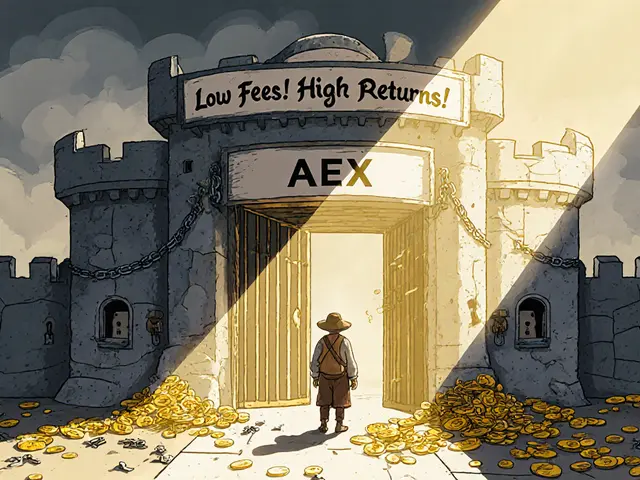
Buying Bitcoin or Ethereum in Australia used to feel like walking a tightrope without a net. You knew the prices could swing wildly, but you also worried about whether the exchange holding your coins would actually be there tomorrow. That era of regulatory uncertainty is ending. The Australian government is moving fast to lock down consumer protection for crypto, turning what was once a patchwork of rules into a solid legal framework.
If you are an investor, a trader, or just someone curious about digital assets, these changes matter. They mean less risk of losing your money to scams or insolvent exchanges. But they also mean more paperwork for the companies you use. Let’s break down exactly how the new laws work, who they protect, and what you need to watch out for in 2026.
The End of the Wild West: A Unified Framework
For years, Australia’s approach to cryptocurrency was fragmented. One agency handled money laundering, another looked at securities, and general consumer laws filled the gaps. It worked okay, but it left holes. The collapse of major global exchanges like FTX in 2022 exposed those weaknesses clearly. Investors lost millions because there were no strict rules on how exchanges managed customer funds.
In response, the Albanese Government introduced the Treasury Laws Amendment Bill 2025. This isn’t a small tweak; it’s a complete overhaul. Instead of creating a brand-new, isolated category for "digital assets," the government decided to fold them into existing financial services law under the Corporations Act 2001. Why? Because it leverages rules that already work for banks and stockbrokers.
This move creates two new regulated categories:
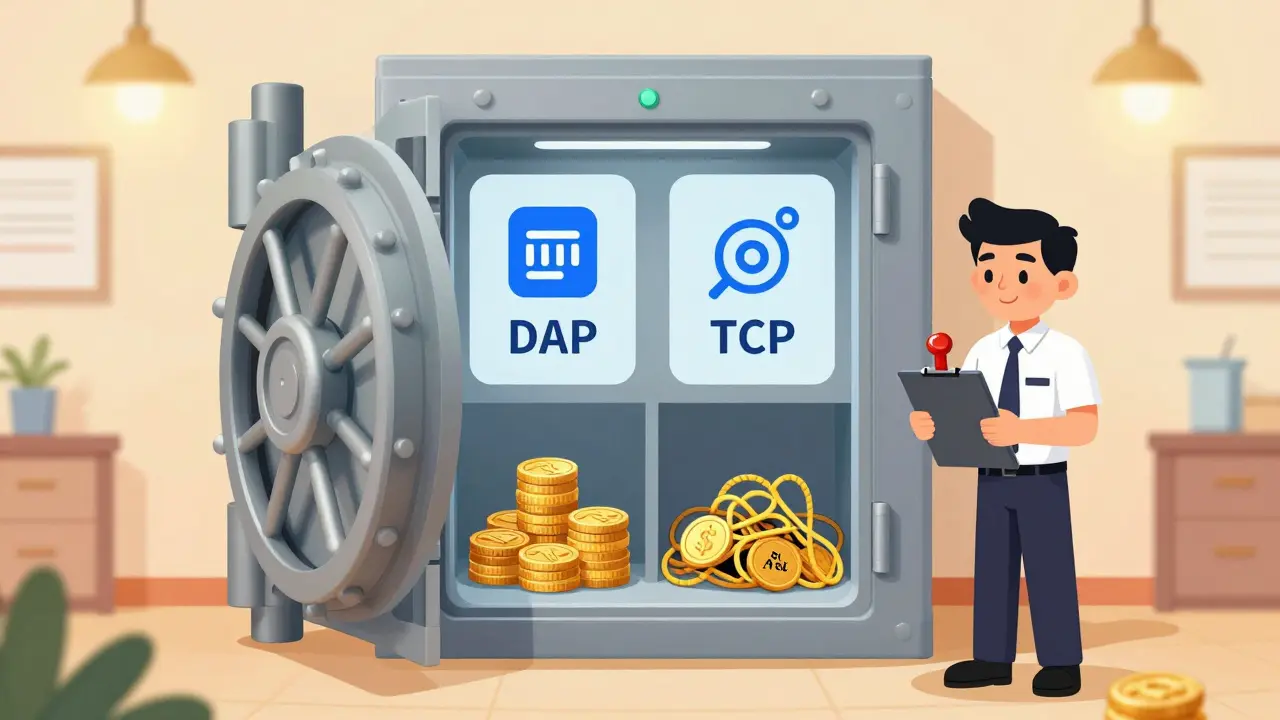
- Digital Asset Platforms (DAP): These are essentially crypto exchanges where you buy and sell tokens.
- Tokenised Custody Platforms (TCP): These services hold your digital assets securely, similar to how a bank holds your cash.
Together, these are called "crypto platforms." If a company runs either of these, they must get an Australian Financial Services Licence (AFSL). This is the same license traditional financial firms need. It forces crypto businesses to meet high standards for competence, risk management, and honesty.
What Does Licensing Mean for Your Safety?
An AFSL isn’t just a piece of paper. It comes with strict obligations that directly impact your safety as a consumer. Here is what licensed platforms must do now:
- Segregate Customer Funds: Exchanges can no longer mix your money with their own operating capital. If the exchange goes bankrupt, your assets should theoretically remain separate and recoverable.
- Conflict of Interest Management: Platforms must disclose if they have any conflicts, such as trading against their customers or promoting specific coins for profit.
- Dispute Resolution: Licensed entities must join an external dispute resolution scheme. If you have a problem, you have a formal path to complain, rather than being stuck in a black hole of customer service emails.
- Competence Standards: Managers of these platforms must prove they are fit and proper people. This reduces the risk of leadership incompetence leading to platform failure.
The penalties for breaking these rules are severe. Companies can face fines of $16.5 million or more. This acts as a strong deterrent against cutting corners. As Assistant Treasurer Daniel Mulino put it, the goal is to "legitimize good actors and shut out bad" ones.
| Feature | Before 2025 Reforms | Under New Framework |
|---|---|---|
| Licensing Requirement | Only if asset was a "financial product" | Mandatory AFSL for all DAPs and TCPs |
| Fund Segregation | Recommended but not strictly enforced | Strictly required by law |
| Penalties for Breach | Variable, often lower | $16.5 million+ for serious breaches |
| Dispute Resolution | Optional for many providers | Mandatory participation |
Who Is Covered? And Who Is Not?
The new laws are broad but not infinite. They cover commodity-like assets (Bitcoin, Ethereum), collectible assets (NFTs), and bearer-like assets (stablecoins, tokenized securities). However, there are important exceptions.
NFTs used purely within gaming ecosystems are excluded. If you buy a skin for a video game using a token, that transaction likely falls outside this heavy regulatory burden. The focus is on financial trading and custody, not entertainment.
There is also a carve-out for very small operators. "Low-risk" platforms that handle less than $5,000 per customer and under $10 million in annual transactions are exempt from licensing. This prevents the government from crushing tiny startups while still protecting the vast majority of retail investors who trade larger amounts.
The Role of AUSTRAC and ASIC
You might wonder who enforces all this. Two main agencies share the load.
AUSTRAC (Australian Transaction Reports and Analysis Centre) has been involved since 2018. Their job is anti-money laundering (AML) and counter-terrorism financing (CTF). Every crypto exchange must register with AUSTRAC. They monitor transactions for suspicious activity. If an exchange fails to report large or weird movements of money, AUSTRAC steps in.
ASIC (Australian Securities and Investments Commission) handles the conduct side. They ensure exchanges treat customers fairly. ASIC has been aggressive in recent years, taking action against companies for misleading marketing. Under the new laws, their power expands. They will oversee the issuance of AFSLs and audit compliance regularly.
This dual-agency approach ensures that both the integrity of the financial system (AUSTRAC) and the rights of individual consumers (ASIC) are protected.
Marketing and Misleading Claims
One area where consumers have suffered most is deceptive marketing. Many crypto projects promise guaranteed returns or downplay risks. The new framework tightens this up significantly.
Even if a crypto asset isn’t classified as a financial product, the Australian Consumer Law still applies. This means no misleading or deceptive conduct. You cannot claim a coin is "safe" if it is highly volatile. You cannot hide fees in fine print. ASIC has already issued warnings and bans on several promotions that crossed this line.
For marketers and exchanges, this means every ad, tweet, and website banner must be scrutinized. For you, the consumer, it means you can trust the information presented more-provided the platform is licensed. If a platform makes wild promises, check if they have an AFSL. If they don’t, run away.

Industry Reaction: Support with Caution
Surprisingly, the industry largely supports these changes. Local exchanges like Independent Reserve and BTC Markets have endorsed the bill. Why? Because clarity is better than chaos. When rules are unclear, big institutional investors stay away. Clear regulations invite professional money into the market.
Kate Cooper, CEO of OKX Australia, noted that this legislation signals crypto is no longer on the fringes. It is embedded in the financial system. However, she warned that success depends on enforcement. If licensed operators have to spend millions on compliance, but unlicensed offshore competitors undercut them, the system fails. The government must ensure a level playing field.
Liam Hennessy from Thomson Geer praised the balance struck between innovation and protection. He argued that restricting innovation too much kills growth, but preventing market turmoil is essential. The current draft seems to hit that sweet spot.
What Should You Do Now?
As we move through 2026, here are practical steps to protect yourself:
- Check for Licenses: Before depositing funds, verify the exchange holds an AFSL. ASIC maintains a public register of licensed entities.
- Understand KYC Requirements: Know Your Customer (KYC) procedures are mandatory. You will need to provide ID documents. This is annoying but necessary for security. Avoid platforms that allow anonymous trading; they are likely illegal or unsafe.
- Read the Product Disclosure Statement (PDS): Licensed platforms must provide a PDS. This document explains the risks, fees, and how your money is held. Read it. It’s dense, but it contains vital info.
- Beware of Unregulated Tokens: Just because an exchange is licensed doesn’t mean every coin on it is safe. Some tokens may still be scams. Do your own research on the assets themselves.
The transition won’t be instant. Some smaller players may exit the market if they can’t afford compliance. This might reduce choice temporarily, but it increases quality. The long-term result is a healthier, safer ecosystem for everyone.
Is it still legal to buy Bitcoin in Australia?
Yes, buying Bitcoin remains completely legal. In fact, the new regulations aim to make it safer by ensuring exchanges operate under strict oversight. There are no bans on ownership or trading for individuals.
Do I need to pay tax on my crypto gains?
The new consumer protection laws do not change tax rules. The Australian Taxation Office (ATO) still treats crypto as property. Capital gains tax applies when you sell or trade your assets. Always consult a tax professional for advice.
What happens if my crypto exchange goes bankrupt?
Under the new rules, licensed exchanges must segregate customer funds. This means your crypto should not be part of the exchange's bankruptcy estate. However, always check if the platform offers insurance or compensation arrangements, as outlined in their Product Disclosure Statement.
Are NFTs regulated under the new laws?
Most NFTs used for financial trading or investment are covered. However, NFTs used purely within gaming ecosystems or for non-financial purposes are currently excluded from the strict licensing requirements.
How can I check if an exchange is licensed?
You can search the ASIC Connect database online. Enter the company name to see if they hold a valid Australian Financial Services Licence (AFSL). Never trade with an unlisted entity.

Rebecca Andrews
I'm a blockchain analyst and cryptocurrency content strategist. I publish practical guides on coin fundamentals, exchange mechanics, and curated airdrop opportunities. I also advise startups on tokenomics and risk controls. My goal is to translate complex protocols into clear, actionable insights.
More Articles

International Coordination on Crypto Regulation: How Countries Are Aligning Rules for Digital Assets
Countries are finally working together to create global rules for crypto. Learn how the FSB, UK-US deal, and EU’s MiCA are shaping the future of digital asset regulation-and what it means for investors and businesses.