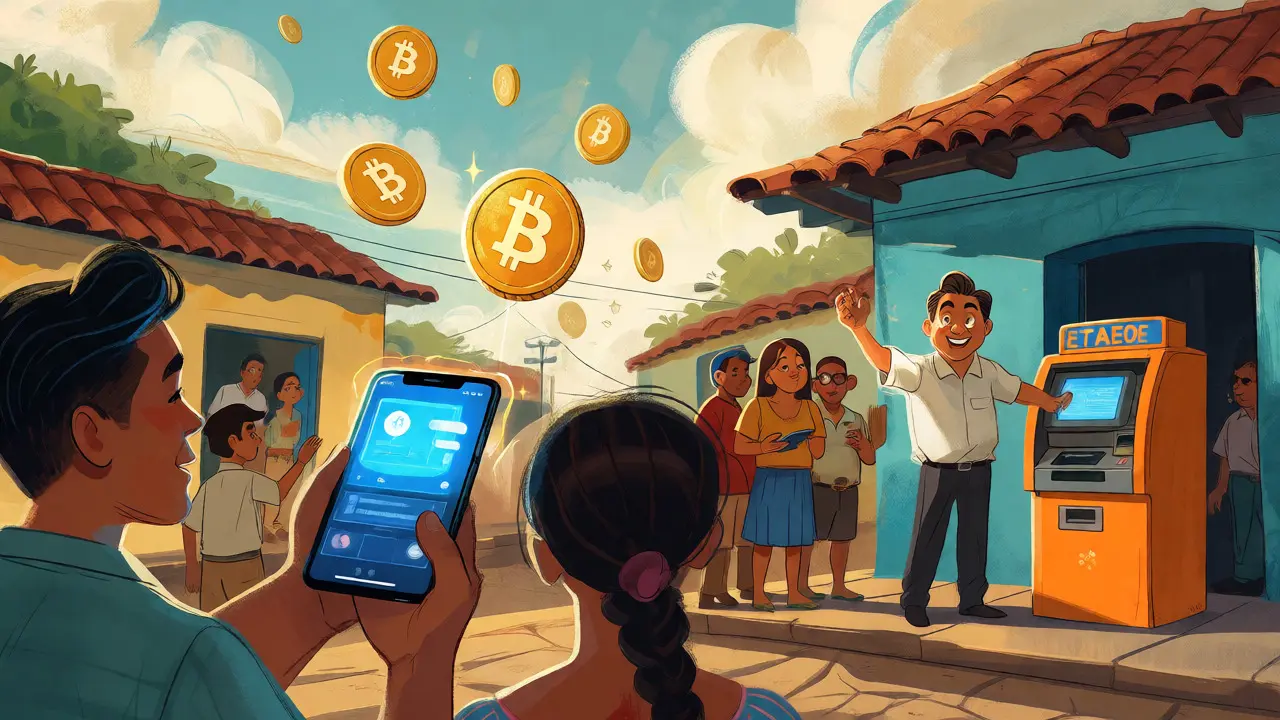
Imagine waking up to find that your government just declared a volatile digital asset as official money. That’s exactly what happened in El Salvador on September 7, 2021. For nearly four years, the small Central American nation served as the world’s most high-stakes laboratory for cryptocurrency adoption. President Nayib Bukele bet big that making Bitcoin legal tender alongside the US dollar would fix financial exclusion and attract global tech investment. But by early 2025, the experiment had largely unraveled under international pressure.
If you’re tracking how national governments handle digital assets, El Salvador’s journey offers critical lessons. It wasn’t just about technology; it was about trust, infrastructure, and geopolitical leverage. This guide breaks down why the mandate failed, what replaced it, and where Bitcoin stands in Salvadoran law today.
The Bold Experiment: Why El Salvador Said Yes
To understand the reversal, you have to look at the starting line. In 2021, roughly 70% of Salvadorans lacked access to traditional banking services. Remittances from family members abroad accounted for over 20% of the country’s GDP, yet sending money home often cost double-digit fees through intermediaries like Western Union. The logic seemed sound: use Bitcoin to cut out the middlemen, lower costs, and bring the unbanked into the economy.
The government launched the Chivo e-wallet, promising $30 in free Bitcoin to every citizen who signed up. They installed ATMs across the country and offered tax incentives for businesses accepting crypto. On day one, things went sideways. The Chivo app crashed due to server overload, and Bitcoin’s price dipped, causing an immediate paper loss of $3 million for the state treasury. Despite this rocky start, 3 million people downloaded the wallet within a month-nearly half the population.
The Gap Between Downloads and Daily Use
High adoption numbers looked great in press releases, but reality told a different story. While millions downloaded Chivo, very few actually used it for buying coffee or paying rent. By the end of the first year, reports indicated that only 12% of consumers regularly transacted in Bitcoin. Among businesses, the situation was worse: 93% of surveyed companies reported receiving zero Bitcoin payments in the initial months.
Why did usage lag? Volatility scared people off. Imagine trying to pay for groceries when the currency you’re using might lose 10% of its value before you finish checkout. Most Salvadorans preferred the stability of the US dollar. Additionally, technical hurdles persisted. Many merchants struggled with point-of-sale systems, and rural areas lacked reliable internet connectivity needed for fast transactions via the Lightning Network.
| Metric | Initial Expectation | Actual Outcome |
|---|---|---|
| Wallet Downloads | Broad Financial Inclusion | 3 Million (46% of population), but low retention |
| Consumer Transaction Rate | Significant Shift from USD | ~12% active users; 92% non-users by 2024 |
| Business Acceptance | Universal Merchant Adoption | Minimal; many large firms ignored the mandate |
| Tax Payments in BTC | Streamlined Government Revenue | Only ~5% of citizens paid taxes in Bitcoin |

The IMF Pressure Cooker and Policy Reversal
The turning point wasn’t public opinion-it was debt. El Salvador needed financing, and the International Monetary Fund (IMF) held the keys. The IMF had long warned that Bitcoin’s volatility posed risks to financial stability. To secure a $1.4 billion loan package, El Salvador agreed to significant concessions.
In January 2025, the Legislative Assembly voted 55-2 to amend the original Bitcoin Law. The changes were subtle but profound. The word "currency" was removed from Bitcoin’s legal definition. More importantly, the obligation for private businesses to accept Bitcoin was eliminated. You could still buy things with Bitcoin if the seller agreed, but no shop owner could be fined for refusing it.
This shift marked a retreat from mandatory adoption to voluntary market participation. Economist Rafael Lemus noted that the government tried to force a behavior change without building organic trust. "It didn't work," he observed, highlighting that legal mandates cannot substitute for societal comfort.
What Happened to the Bitcoin Reserve?
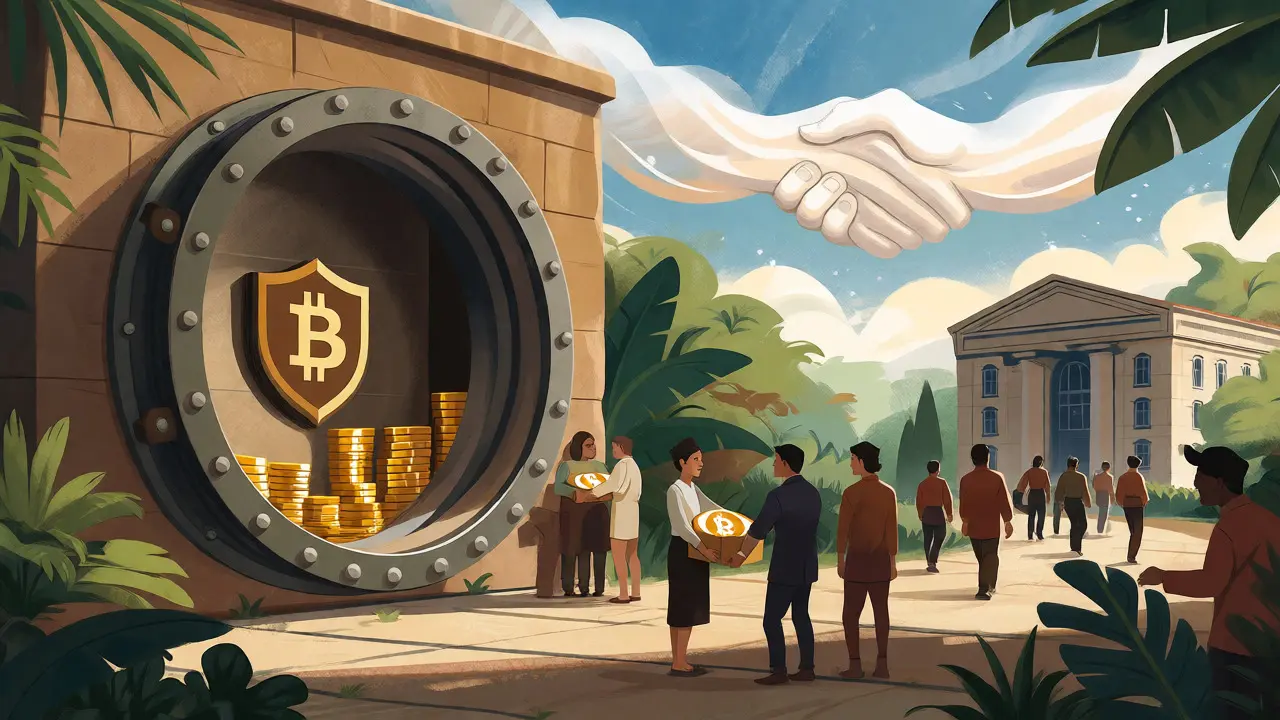
Did El Salvador dump its holdings after the policy change? Surprisingly, no. The government maintained its Strategic Bitcoin Reserve. As of early 2025, the state held approximately 688 Bitcoin, valued around $574 million, representing a profit of $287 million despite earlier losses. Later purchases in March 2025 expanded the reserve to over 6,000 coins.
This distinction is crucial. El Salvador stepped back from using Bitcoin as everyday money but doubled down on holding it as an asset class. The government continued to position itself as a crypto-friendly hub, hosting events like the PLANB Forum 2025. The message to investors remained clear: we love the asset, even if we stopped forcing people to spend it.
Lessons for Other Nations and Crypto Enthusiasts
El Salvador’s experience serves as a cautionary tale for any country considering similar moves. First, infrastructure matters more than ideology. Without stable internet and user-friendly interfaces, even subsidized wallets fail to gain traction. Second, monetary policy requires predictability. Citizens need to trust that their savings won’t evaporate overnight due to market swings.
For the broader crypto community, the Salvadoran case proves that top-down mandates rarely create bottom-up utility. Organic adoption happens when users see clear benefits-like lower fees or faster cross-border transfers-that outweigh the hassle. When the benefit isn’t obvious, people stick to what they know.
Today, Bitcoin remains legal tender in name, but it functions more like a foreign currency option rather than a daily necessity. The Chivo wallet still exists, though its prominence has faded. The real legacy isn’t the number of transactions processed, but the data gathered on human behavior when forced to adapt to new monetary tools.
Is Bitcoin still legal tender in El Salvador in 2026?
Yes, technically. However, the law was amended in May 2025. While Bitcoin retains its status as legal tender, businesses are no longer legally obligated to accept it. Transactions are now strictly voluntary between buyer and seller.
Why did El Salvador reverse its Bitcoin policy?
The primary driver was pressure from the International Monetary Fund (IMF). To secure a $1.4 billion loan, El Salvador agreed to remove the mandatory acceptance requirement and limit Bitcoin's role in public sector finances.
Did El Salvador sell all its Bitcoin?
No. The government kept its Strategic Bitcoin Reserve. In fact, they continued buying more Bitcoin in 2025, viewing it as a long-term store of value rather than a medium of exchange.
What happened to the Chivo wallet?
The Chivo wallet remains operational but lost much of its momentum. Initial subsidies ended, and without the mandate forcing merchants to accept it, usage declined significantly compared to the peak download numbers in 2021.
Can tourists use Bitcoin in El Salvador?
Yes, but availability varies. Since acceptance is now voluntary, you’ll need to ask individual merchants. Tourist hubs and tech-focused establishments are more likely to accept it than local markets or rural shops.

Rebecca Andrews
I'm a blockchain analyst and cryptocurrency content strategist. I publish practical guides on coin fundamentals, exchange mechanics, and curated airdrop opportunities. I also advise startups on tokenomics and risk controls. My goal is to translate complex protocols into clear, actionable insights.
More Articles

HyperBlast Crypto Exchange Review - Fees, Security & Usability 2025
A detailed 2025 review of HyperBlast crypto exchange covering fees, security, liquidity, user experience, and how it compares with major platforms.