
Imagine a digital ledger where every page is sealed with wax, stamped with a unique fingerprint, and glued to the previous page. If you try to tear out one page or alter the ink on another, the entire book falls apart. That is essentially how a Blockchain Block works. It is not just a random container for data; it is a highly engineered cryptographic unit designed to make cheating mathematically impossible.
When people talk about blockchain technology, they often focus on the coins or the prices. But the real magic happens in the structure of the blocks themselves. Understanding the anatomy of a block reveals why this technology is trusted by banks, governments, and developers alike. Let’s break down exactly what goes into these digital bricks.
The Core Components of a Block
Every block in a blockchain network serves as a fundamental unit of data organization. Think of it as a single entry in a shared, immutable digital ledger. To understand its power, we need to look at its three primary components: the stored data, the unique hash identifier, and the reference to the previous block’s hash.
First, there is the Block Header. This is the metadata section that contains essential information about the block itself. It includes the version number, a timestamp indicating the exact moment the block was created, and crucially, the link to the past. Without this header, the block would be an isolated island of data rather than part of a chain.
Second, there is the Block Body. This is where the actual work happens. The body contains the transaction data or information being recorded. For example, in a Bitcoin block, this section holds details like the sender's electronic wallet address, the recipient's address, and the amount transferred. In other blockchains, this might contain smart contract executions or supply chain records.
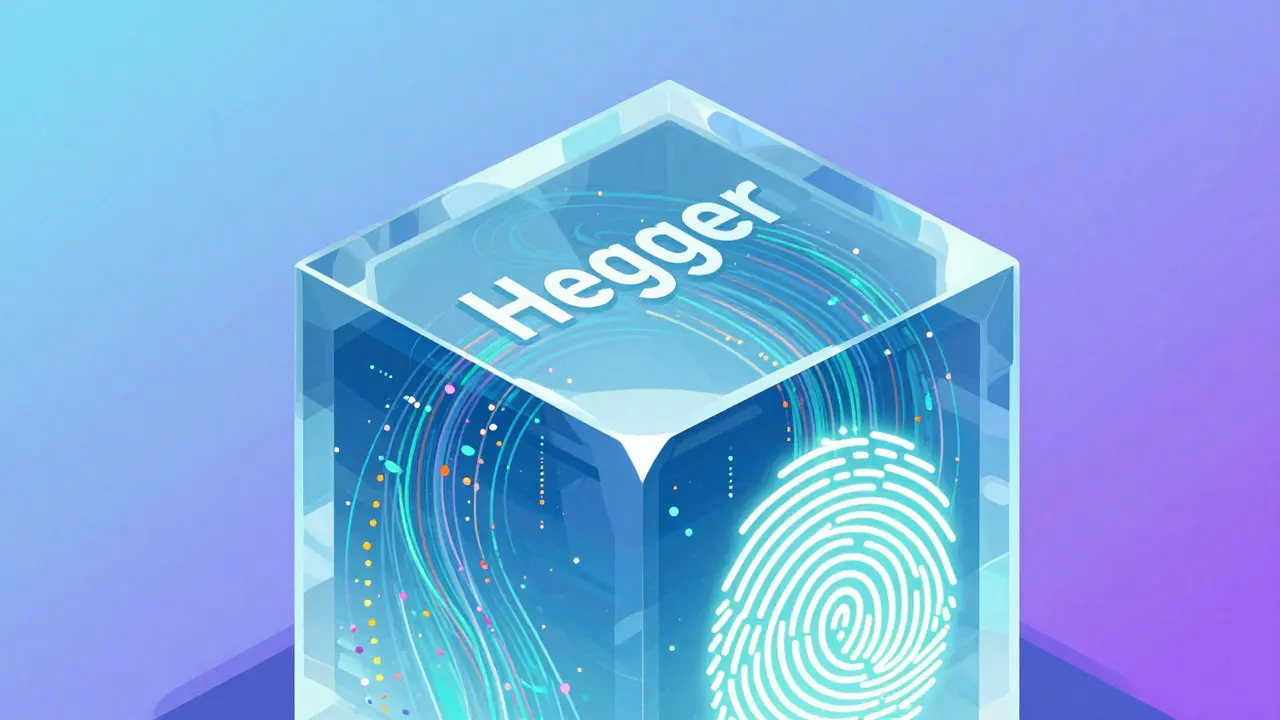
Third, and perhaps most important, is the cryptographic linking mechanism. Each block carries a unique digital fingerprint called a hash. This hash is generated using complex mathematical functions, ensuring that the block’s contents are verified and secure. These three elements-header, body, and hash-work together to create a system that is transparent yet tamper-proof.
The Magic of the Cryptographic Hash
You cannot understand blockchain without understanding the Cryptographic Hash Function. Specifically, networks like Bitcoin use an algorithm called SHA-256 (Secure Hash Algorithm 256-bit). This function takes any amount of input data and produces a fixed-length alphanumeric string, typically 64 characters long.
Here is the critical part: even if you change just one comma in the input data, the resulting hash changes completely. It becomes a totally different string of letters and numbers. This property makes the hash a perfect digital fingerprint. It ensures that any attempt to tamper with the data inside a block is immediately detectable because the fingerprint no longer matches.
For instance, if you have a block containing ten transactions, the SHA-256 algorithm processes all of them along with the header data to produce a single hash value. This value represents the integrity of the entire block. If a hacker tries to change $10 to $100 in one of those transactions, the hash for that block will instantly become invalid. The network sees the mismatch and rejects the block.
The Merkle Root: Efficient Verification
So, how does a block handle thousands of transactions without becoming too heavy to verify? The answer lies in the Merkle Root. This is a specific type of hash tree structure found in the block header.
Instead of hashing all transactions individually and listing them, the system pairs up transaction hashes, combines them, and hashes the result again. This process repeats until only one hash remains-the Merkle Root. This single value summarizes every transaction in the block.
This structure provides two major benefits. First, it allows for compact verification. You can prove that a specific transaction exists in a block without downloading the entire block. Second, it enhances security. Because the Merkle Root depends on every transaction hash, changing even one transaction alters the root, which then alters the block hash. This cascading effect makes fraud incredibly difficult to hide.
| Component | Function | Security Role |
|---|---|---|
| Block Header | Contains metadata (timestamp, version) | Links blocks chronologically |
| Merkle Root | Summarizes all transactions | Ensures transaction integrity |
| Previous Hash | Reference to prior block | Creates unbreakable chain linkage |
| Nonce | Variable number for mining | Solves computational puzzle |
Linking Blocks: The Chain Reaction
The term "blockchain" comes from how these blocks are connected. Each new block contains a field called the Previous Block Hash. This is the hash value of the block that came immediately before it.
Let’s say Block 50 has a hash of 'xyz'. When Block 51 is created, it includes 'xyz' in its header. Now, Block 51 is cryptographically locked to Block 50. If someone tries to alter the data in Block 50, its hash changes from 'xyz' to something else, say 'abc'. Suddenly, Block 51’s reference points to a non-existent hash. The link breaks.
To fix this, the attacker would have to recalculate the hash for Block 50, then recalculate the hash for Block 51, then Block 52, and so on, all the way to the latest block. Since each block requires significant computational power to generate (more on that below), altering history becomes practically impossible on a secured network. This is the essence of immutability.
Mining, Nonce, and Difficulty
But how do we decide which block gets added next? This is where Mining comes in. Miners compete to solve a computational puzzle to approve a block. Two key fields in the block header facilitate this: the Nonce and the Bits Field.
The Nonce is a 32-bit number that miners can change freely. They tweak this number over and over again, recalculating the block hash each time, until they find a hash that meets a specific target set by the network. This target is determined by the Bits Field, which adjusts based on the overall computing power of the network.
This process is known as Proof of Work. It requires energy and time, making it costly to attack the network. Once a miner finds the correct nonce, they broadcast the block to the network. Other nodes verify the solution and the transactions. If everything checks out, the block is accepted and added to the chain. The miner receives a reward, usually in cryptocurrency.
Decentralization and Consensus
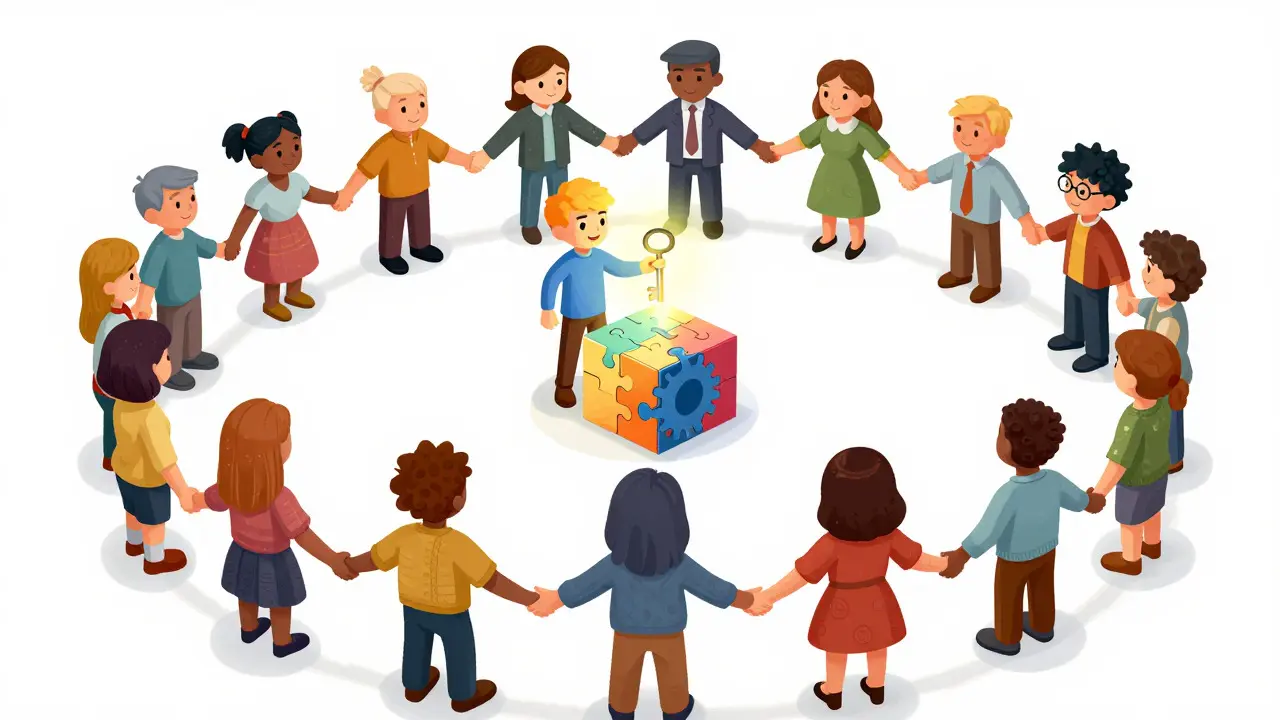
Finally, none of this security matters if a single entity controls the ledger. Blockchain operates on a Decentralized Network of computers called Nodes. Each node maintains a complete copy of the entire blockchain.
When a new block is proposed, nodes validate it against the rules of the protocol. They check the signatures, the Merkle Root, and the proof of work. Only when the majority of nodes agree that the block is valid does it become part of the permanent record. This consensus mechanism ensures that no single party can manipulate the data without the knowledge and agreement of the rest of the network.
This distributed nature makes blockchain resilient. Even if some nodes go offline or act maliciously, the honest majority preserves the truth. It creates a system of trust that doesn't rely on banks or governments, but on mathematics and code.
Why This Structure Matters
The anatomy of a blockchain block is not just technical trivia; it is the foundation of digital trust. By combining transaction data, cryptographic hashes, and decentralized validation, blocks create a record that is chronological, transparent, and virtually immutable.
Whether you are tracking financial transactions, managing supply chains, or storing medical records, the structure of the block ensures that once data is written, it stays true. The interplay between the Merkle Root, the Previous Hash, and the Nonce creates a system where honesty is rewarded and fraud is exponentially expensive. This is why blockchain continues to revolutionize industries beyond just finance.
What is the difference between a block and a blockchain?
A block is a single unit of data containing transactions and metadata. A blockchain is the entire sequence of these blocks linked together cryptographically. Think of a block as a page in a book, and the blockchain as the complete book.
Why is the Merkle Root important?
The Merkle Root allows for efficient verification of transactions. It summarizes all transactions in a block into a single hash, enabling users to prove a transaction exists without downloading the entire block, thus saving bandwidth and improving scalability.
Can a blockchain block be changed after it is added?
Technically yes, but it is extremely difficult. Changing a block requires recalculating its hash and the hashes of all subsequent blocks. On a large network, this would require more computational power than the rest of the network combined, making it practically impossible.
What role does the nonce play in blockchain?
The nonce is a variable number used in the mining process. Miners adjust the nonce to produce a block hash that meets the network's difficulty target. It is the key component in the Proof of Work consensus mechanism.
How does the previous hash ensure security?
The previous hash links each block to the one before it. If data in an earlier block is altered, its hash changes, breaking the link with the next block. This alerts the network to tampering and invalidates the subsequent chain.

Rebecca Andrews
I'm a blockchain analyst and cryptocurrency content strategist. I publish practical guides on coin fundamentals, exchange mechanics, and curated airdrop opportunities. I also advise startups on tokenomics and risk controls. My goal is to translate complex protocols into clear, actionable insights.
More Articles
State Bank of Vietnam Crypto Policy and Stance in 2026
Vietnam legalized crypto as virtual assets in 2025 but imposed strict controls: only VND trading, no stablecoins, $379M capital requirements, and no foreign exchanges. Despite this, adoption remains high through P2P trading.